
https://www.bodyworldsboston.com/optimizing-cycling-performance-the-ultimate-guide-to-fasting-fueling-and-advanced-nutrition/
The energy demand of cycling is closely related to the intensity. A reasonable diet can not only improve athletic performance, but also promote recovery. The following is a nutritional supplement plan for different cycling intensities to help riders manage their physical fitness scientifically.
1. Endurance riding (15-20 miles/24-34 kilometers)
For low to moderate intensity cycling characterized by 50-60% of VO2max, the nutritional focus is on basic reserves:
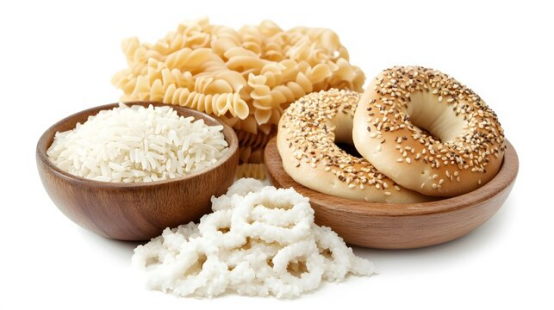
- Daily preparation : 4 days before exercise, keep 60-70% of calories from high-quality carbohydrates
- Pre-race nutrition : Choose an easily digestible high-carb breakfast 30-45 minutes before departure
- Management during the journey : No additional energy supplement is required within 2 hours, pay attention to water intake
- Recovery Tips : A normal balanced diet can meet recovery needs
2. Middle and long distance training (15-50 miles/24-80 kilometers)
Moderate intensity riding for more than 2 hours requires dynamic energy management:
- Energy reserve : Consume sufficient carbohydrates (about 600g) 1 day in advance
- Replenishment during the journey : 30-60g of fast-absorbing carbohydrates per hour
- Key recovery period : replenish carbohydrate + protein combination within 15 minutes after exercise
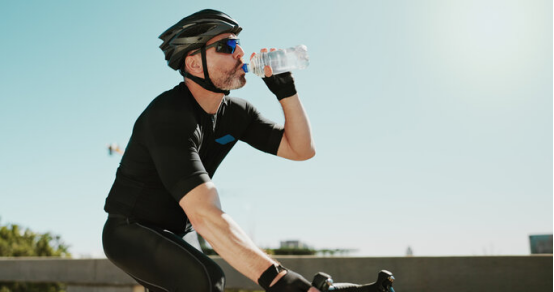
- Water balance : 500-750ml of water per hour, combined with electrolyte supplementation

3. High-intensity interval training (10-30 miles/16-48 kilometers)
Explosive training near the anaerobic threshold requires special nutritional strategies:
- Fasting training : Stop eating 4 hours in advance to ensure that the stomach is empty
- Emergency energy supply : Take a small amount of glucose tablets (10-15g) if necessary
- Hydration focus : High-intensity sweating requires enhanced electrolyte supplementation
- Fast recovery : Immediately supplement with high GI carbohydrates and branched-chain amino acids
Nutrition management core principles :
- Daily reserves are the basis
- Timeliness of supply during the journey
- Restoring nutrition with precision
- Moisture management is essential
Remember: A scientific diet plan can improve cycling performance by more than 30%, and it is an invisible skill that every cyclist should master.
https://www.bodyworldsboston.com/optimizing-cycling-performance-the-ultimate-guide-to-fasting-fueling-and-advanced-nutrition/